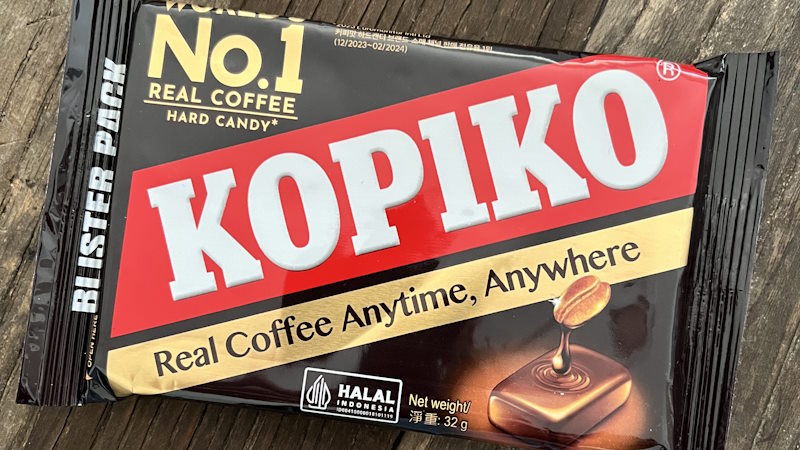
Kopiko, the Candy Made Famous by K-Drama PPL
드라마 PPL로 뜬 코피코
What is it about?
이 기사는 인도네시아의 마요라(Mayora) 그룹이 만든 커피 사탕 '코피코'에 대해 설명합니다.
원래 한국에는 잘 알려지지 않았지만, 드라마 [빈센조]와 [갯마을 차차차] 같은 작품에 등장하면서 큰 인기를 끌게 되었습니다.
Article excerpt:
드라마에 처음 노출될 때만 해도 국내에 판매되지 않았는데 이후 소비자들이 관심을 갖자 수입이 이뤄진 것으로 보인다.
편의점 GS25가 지난 2월 코피코 판매를 시작한 뒤 한달여 만에 20만 개 이상 판매돼 주목받은 바 있다.
Cultural Bits
The "K-Drama Effect": How an Indonesian Candy Conquered Korea
While product placement (PPL) is common in television, the story of Kopiko is a rare case of "reverse marketing" success. Despite being an Indonesian coffee candy, it became a viral sensation in South Korea after appearing in hit dramas like Vincenzo and Hometown Cha-Cha-Cha. Interestingly, Kopiko wasn't even sold in Korean convenience stores when it first appeared on screen; it was the overwhelming demand from viewers that forced retailers to start importing it. Within just one month of hitting the shelves at GS25, it sold over 200,000 units, proving that the global influence of K-culture can turn a simple foreign snack into a domestic must-have overnight.
This text is a news article excerpt from Asia Economy (아시아경제), written by reporter Jung Hyun-jin. It uses standard journalistic Korean.
Vocabulary
- 드라마: TV drama
Example: 이 드라마는 한국에서 인기가 많다. - PPL: product placement
Example: 이 장면에는 PPL 광고가 들어갔다. - 사탕: candy
Example: 아이들이 사탕을 좋아한다. - 등장하다: to appear
Example: 새로운 인물이 드라마에 등장했다. - 편의점: convenience store
Example: 편의점에서 음료를 샀다. - 판매되다: to be sold
Example: 이 제품은 많이 판매됐다.
Credits:
- Text by Original article by 정현진 (Jung Hyun-jin), in Asia Economy
- Photo by KoreaBits.com